What your team receives
A staff-run demo for making and comparing mockups for two sample customer requests. One approved logo is used across both jobs.
After two weeks, your ProSwag team will have a working demo, clothing mockups and printable mini-catalogs for two sample customer jobs, plus simple instructions for using the tool.

Prepared for Clint Holden at ProSwag Outfitters / Fusion Brands. Scope, fee and start date need written agreement before work begins.
For each sample job, show your customers up to four clothing mockups with their logo, then ask which they prefer and what to change.
A staff-run demo for making and comparing mockups for two sample customer requests. One approved logo is used across both jobs.
Up to four products in total across both jobs, with up to four design options per job. That is not four options for every product.
The approved logo, permission to use it, and photos and details for the four selected products. We set up and check those products before making the examples.
Your team can compare the options and confirm the correct product, color, logo placement and supplied details. AI drafting is a guided staff step; automatic image creation inside the demo is not promised.

Turn the chosen mockups into a clear, polished presentation your team can print or share as part of the demonstration.
One mini-catalog for each of the two sample jobs, built from the chosen mockups. Simple instructions explain the steps your team follows.
The agreed products, approved logo and details or prices supplied by your team. The printout matches the mockups your team reviewed.
Your team chooses the mockups and confirms the names, details, prices and next step you want the customer to take.
Open and print each sample, then compare it with the selected mockups. Check that the products, logo and supplied details agree.
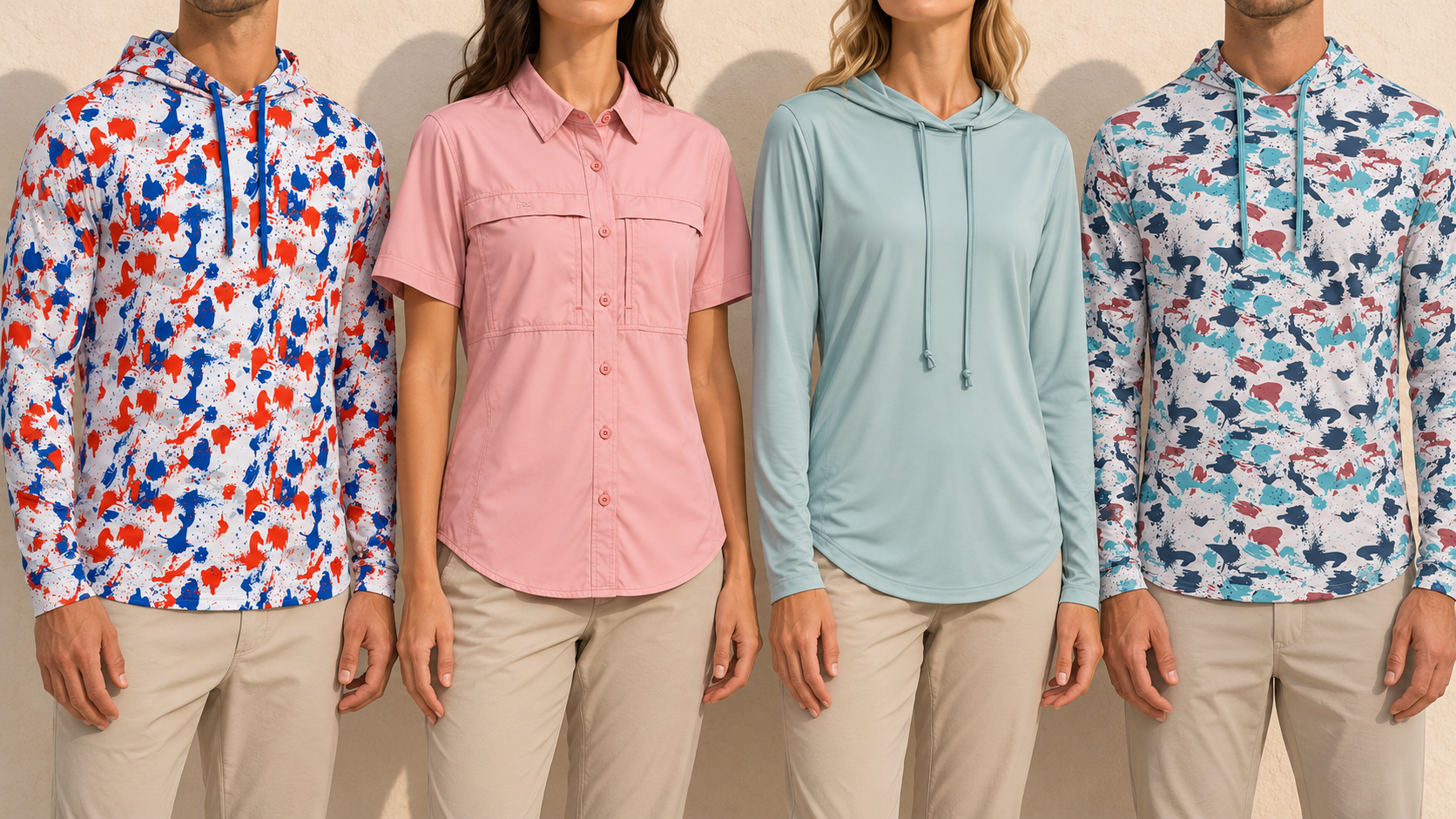
The four-product limit is shared across both jobs. A full 25-product catalog, live price updates and a full catalog rollout are separate work.
A personalized page could give your customer one place to see selected products and mockups. A live customer page is outside this $3,500 pilot.
A decision before this is added
The pilot includes staff-led review on a computer. A page that your customers can open for themselves needs its own agreed work, dates and price.
An agreed presentation for one customer, with selected mockups, product details and a clear next step. Its exact contents still need to be chosen.
Who can see it, whether any information is private, how it is shared, who makes updates and where it will run.
Not yet estimated or included. A firm time, page count and fee follow those decisions. No live page build time is allocated inside the current two weeks.
Agree a sample page and check its content, viewing access and next step with your team before any customer receives it.
This proposal website and the product-photo library are separate from a customer-facing tool. Their being online does not mean that tool is ready to launch.
Your team gives feedback once per sample job, then checks the finished mockups and catalog. This is shared support for the tools, not another separately priced app.

Choosing a mockup confirms the look for this test. Files ready for garment manufacturing are outside the pilot.
We agree the start date once the two sample requests and required materials are ready.
One approved logo for both jobs, plus permission to use it.
Photos and specifications for up to four products, plus any prices you want shown.
A current mockup or catalog and a representative customer request, so the comparison is fair.
One person to gather your team’s comments and return a combined list for each job.
Late materials or feedback may move the dates. Added requests need agreement before the schedule or price changes.
The two included tools share setup, feedback, checking and handover. Their estimated effort overlaps within this one plan.
Days 1–2
Choose the two sample jobs. Set up and check the four products and approved logo. Record how your team handles a similar request today.
Day 5
Your team reviews the first options and returns one combined list of changes for each job.
Days 6–9
Make the agreed changes, finish both mini-catalogs and check the products, logo, details and printouts.
Day 10
Try the finished demo. Compare the results with today’s process and decide whether further work is useful.
The 2–3 days for mockups and 1–2 days for catalogs are working allowances for refining the existing demo. They are not separate promises to deliver three new applications. The plan depends on materials and feedback arriving on time, within the agreed limits.
The test should show what helps your team and what still needs improvement.
Compare how long similar work takes today and with the demo.
Check the logo, product, color, details and any prices supplied by your team.
Record the corrections and work needed to reach the chosen result.
Check that it shows the chosen options correctly and makes the customer’s next step clear.
The handover includes the working demo, simple steps, a short tools/costs/limits summary and the comparison results. Any estimate of time saved comes from these samples; no particular saving is promised.
The proposed total is for the two included tools and the shared review work described here.
Up to four options per job, one revision round per job, two mini-catalogs, the staff-run demo, simple instructions and the comparison with today’s process.
Up to $50 of approved AI use is inside the fee. Extra usage or new subscriptions require approval before spending. Ongoing paid accounts and bills should belong to ProSwag.
Live customer pages, ordering/payments, stock tracking, public sign-ups, a 25-product catalog, manufacturing-ready artwork and round-the-clock support are outside this pilot. Keeping a service online, ongoing support, software ownership and any handover of the underlying code need separate agreement. Taxes and payment timing still need to be agreed.
Your original email offered $2,500 before we had a clear picture of the work.
The email and catalogs describe a larger goal: faster mockups and catalogs, accurate logos and product details, several options, a polished presentation and a process your team can use. Different logo placements, hat patches, shapes and Hexacomb-style layouts add work too.
The $3,500 covers the two-week expanded pilot itself: two sample customer jobs, up to four products across both jobs, up to four options and one revision round per job, matching mini-catalogs and a side-by-side comparison with today’s process.
It does not include a full 25-product catalog or every possible customization. If the test is useful, more products or a live customer page can be agreed separately.
The fee includes up to $50 of approved AI use. Extra use or subscriptions are reviewed before spending. No new or higher-priced AI plan is assumed. The project stands on its own, with specific work to deliver.
Please approve this scope in writing so we can agree a start date and begin the two weeks.
This optional prompt includes possible later work. It does not change the two-week pilot or include a live customer page in the $3,500 fee.
Estimate independent ways to deliver this proposed ProSwag pilot in USD.
Use current published sources and state the date of your research.

Starting point: a local Node/SQLite/Sharp prototype supports intake,
logo confirmation, comparisons, revisions, version approval and print output.
Customer roles are test fixtures. Cloud persistence and real sign-in are
not connected. A separate private product-photo library already exists.
Review reuse rights and code quality before crediting existing work.

Compare mutually exclusive cumulative paths from a future agreed kickoff:
2 weeks: compare a bounded one-brief/two-product test with an expanded
two-brief/four-product-record test. Each uses one approved logo, up to four
options and one consolidated revision per brief. Local review, printable
mini-catalogs and a comparison with the current process.
4 weeks: total three briefs, six product/color records, one approved CSV
import layout, repeatable operator workflow and recovery/operating notes.
Operator use stays local. No live supplier API or public customer portal.
8 weeks: total six briefs, 25 records, one private workspace and two named
users, including an operator and reviewer. Hosted access is conditional on
runtime, authentication, protected media, persistence and restore checks.
Each brief still has up to four options and one revision. One logo overall.

Inputs: approved artwork and usage rights, product images/specifications,
a representative brief, one feedback owner and timely access decisions.
Acceptance: correct product/logo identity, retained version history,
print output matching the reviewed version, repeatable imports and recovery.
For hosted use, test authorization, session expiry and persistence as well.
Exclude ordering, payments, inventory sync, unrestricted public sign-ups,
a full catalog rollout, production artwork, 24/7 support and assumed IP or
source-code transfer. Hosted-pilot prerequisites must pass before use.

Compare professional firms, independent freelancers and cheaper manual,
static or no-code alternatives. Explain which outcomes each can meet.
Separate published hourly/listing rates, modeled hours and actual quotes.
Give low/base/high assumptions, fees, taxes and uncertainty. Cite URLs.
Model AI/API usage by units, workload and retries using sourced rates.
Separate those charges from subscriptions, labor, hosting and maintenance.
Assume future company work uses company-owned provider accounts/billing.
Do not assume unlimited tools or a particular subscription entitlement.
Explain that METR task horizons do not predict AI runtime or project price.
Do not use any suggested seller fee as an anchor or seek to validate it.
A quote would still need a review of the actual work and materials. The prompt does not include the proposed seller fee.
OpenAI pricing · METR task research. Tool prices and AI task measures do not establish a professional project fee.
Please approve this scope and the $3,500 total in writing so we can agree on a start date and begin the two weeks.
The two sample jobs, one approved logo, up to four products total, up to four options and one revision round per job, two mini-catalogs and the staff-run demonstration.
A live customer page remains a separate scope decision. No further work or spending starts automatically.